
Prediction Markets vs Betting vs Gambling
On the surface, prediction markets look a whole lot like betting. You put money down on something that has not played out yet, so people naturally throw them into the same bucket. But dig into how they actually run, and you will notice they work pretty differently from each other. Below is a rundown of how each one operates and where the lines between them get drawn.
How Prediction Markets Work
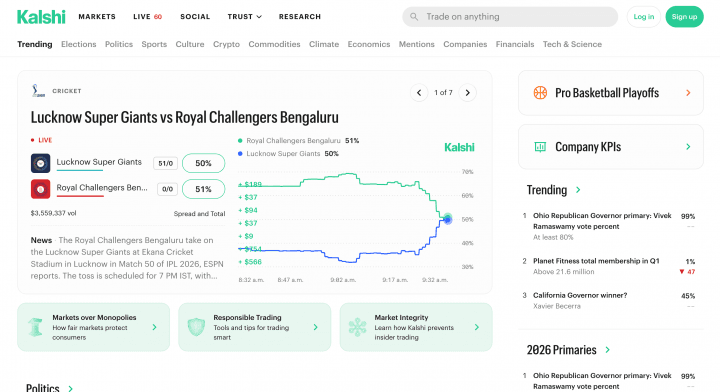
Prediction markets are not structured the way sportsbooks or casino games are. There's no "house" in play here. When you're at a casino, the house is running the game and making money off a baked-in mathematical edge. With a sportsbook, it's the house that sets the lines and pays winners out of its own pocket.
What you are doing instead is buying and selling contracts that are linked to a future event, and those contracts have four features that really define the whole thing.
Contracts Get Traded as Probabilities
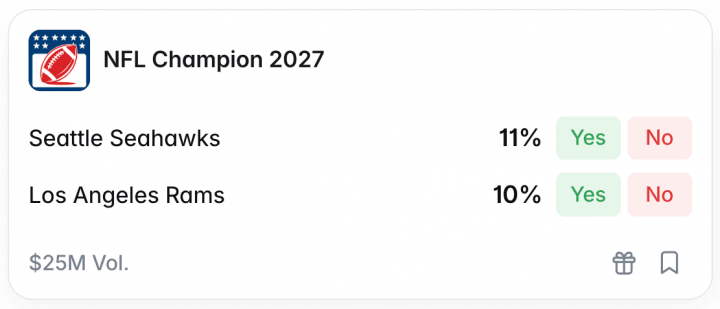
Contracts on these platforms carry a price somewhere between $0 and $1. That number is not just pulled out of thin air. It shows what everybody in the market, taken together, thinks the likelihood of some outcome is. A price sitting at $0.00 signals a 0% chance. A price at $1.00 means people see it as a done deal. When participants buy or sell based on whatever research or gut feeling they have, the price moves around in real time.
Think about a baseball matchup between the New York Yankees and the Boston Red Sox.
- Contracts for a Yankees victory trading at $0.60 tell you the market sees a 60% shot for them to win.
- Red Sox contracts would be sitting around $0.40, pointing to a 40% chance for Boston.
- You grab a Yankees contract at $0.60, and they pull off the win; that contract settles at $1.00. They lose, and it falls to $0.00.
Users Are Trading With Other Users
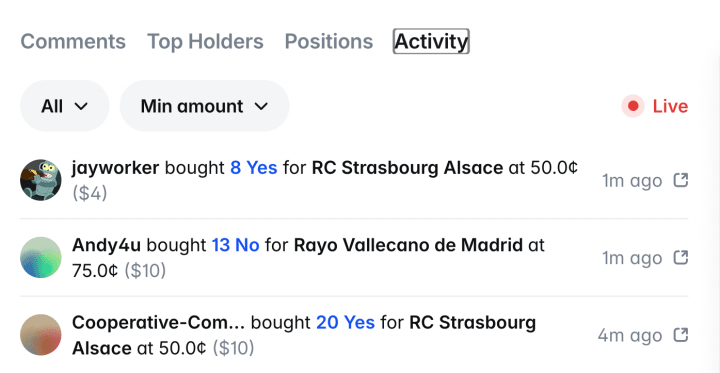
The money you spend on a contract does not end up in the platform's pocket. It goes to whoever is on the other side of that contract, another user who disagrees with you.
That is a pretty major difference from your standard sportsboo or casino, where the operator is always your opponent. The sportsbook takes on the risk itself, puts out the lines, and makes its money off your losing bets. A prediction market just hosts the marketplace and does not have a financial stake in who ends up being right.
You Can Get Out of a Position Before Things Settle
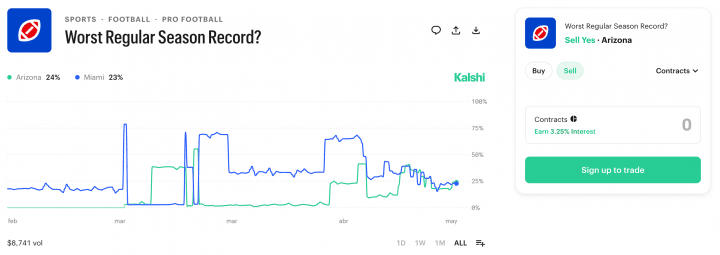
Nobody forces you to hold your position until the event concludes. If your thinking changes or you want to lock in some gains, selling your contracts before the outcome is decided is totally an option.
This is what makes prediction markets resemble financial trading way more than regular betting. You are not just waiting around hoping for the best. Probability shifting against you means you can sell and cut your losses short. It going your way means you can sell and walk off with profit in hand.
Let's say you grab a "Yes" contract at $0.30 and then some news breaks that bumps the price up to $0.50. You don't have to sit around waiting for the whole thing to resolve. Just sell it right then and there, and you walk away with that $0.20 difference per contract.
Platforms Tend to Make Money Off Fees

Instead of profiting from user losses, the platform charges small fees on activity. Every platform handles fees a little differently, but Kalshi is a solid reference point since it's one of the biggest names in the regulated prediction market space right now:
Here's a look at how their fee structure works:
- Settlement when the event wraps up: no charge at all.
- Buying or selling instantly: a fee that goes up to roughly $1.75 per 100 shares when the individual contract price is $0.50.
- Pending orders that sit and wait for someone to match: the fee comes down to about $0.44 per 100 contracts when the contract price is $0.50.
- Card deposits: up to a 2% commission on whatever amount you put in.
The platform collects revenue regardless of whether you win or lose. That is a fundamentally different setup from sportsbooks that rely on your losses as income.
How Sportsbooks Work
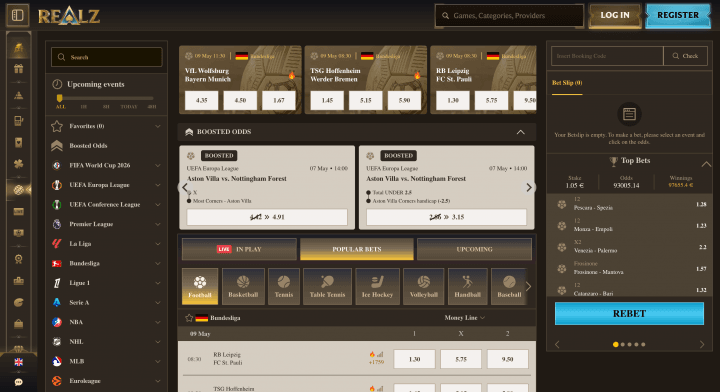
Sportsbooks have a different structure altogether. Your bet is placed directly against the platform. The operator is the one who creates the odds and pays winners using its own money. When you lose that cash goes right into the sportsbook's revenue. Four things really characterize how sports betting functions.
Odds Come From the Sportsbook
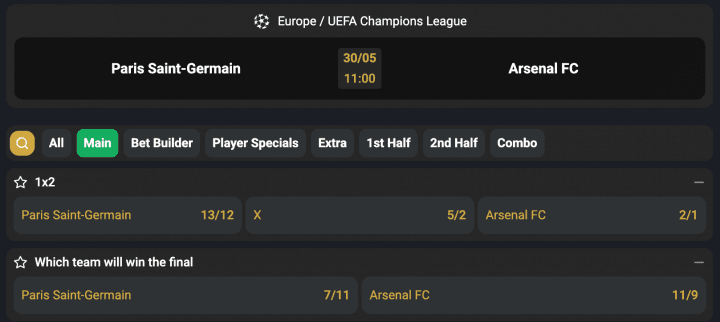
The sportsbook holds complete control over what the odds look like. Their oddsmakers build lines by weighing stuff like injuries, historical performance, team morale, and sometimes even weather conditions.
They are the ones who decide payouts for every possible outcome, and they shift lines around to keep their own financial risk in check.
This is not like a prediction market where prices come from what people collectively think. A bookmaker might adjust odds when a ton of money pours in on one side, sure, but the final call on pricing always belongs to them. You take what they are offering, or you do not.
You Are Wagering Against the House
Placing a wager at a sportsbook means the house is automatically your adversary. The operator sits on the opposite side of every single bet you make.
If you win, they pay from their own funds. If you lose, your money turns into their earnings. So there is a direct financial tension between you and the platform.
Betting exchanges are kind of the exception here since users bet against one another, and the platform skims a small commission. But on the mainstream betting apps most people actually use, the operator is always your counterpart.
There Is a House Edge Hiding in the Price
Sportsbook odds rarely line up cleanly with the real mathematical probability of something happening. A hidden margin gets worked into the pricing, people call it the "vig" or "juice," and it lets the house profit without needing to charge you a separate fee.
Picture an NFL point spread on your go-to app for a Chiefs versus Bills game. Both sides are showing -110 odds.
- That means putting up $110.00 to potentially win $100.00.
- Implied probability on each side works out to 52.38%.
- Stack those together (52.38% plus 52.38%) and you land at 104.76%, which overshoots the 100% that a perfectly fair market would show.
That surplus of 4.76% is the advantage the house has baked in. Whichever team comes out on top, the sportsbook still pays you a bit less than what genuinely fair odds would warrant.
Bets Are Generally Locked In After You Place Them
After a bet is placed at a sportsbook, the terms are set in stone. Your wager stays at whatever odds you accepted, and you sit tight until the event finishes to learn whether you came out ahead.
Cash-out features do exist at some operators as a workaround, but it is not really an open market situation. The sportsbook decides what buyback price to offer on your ticket, and you either accept that number or you do not.
| Platform | Prediction Markets | Sportsbooks |
|---|---|---|
| Who sets the price | Supply and demand coming from the users. | The operator's in-house analytical team. |
| Who the user goes up against | Other people participating in the market. | The sportsbook itself. |
| How the platform earns revenue | Commissions on transactions or deposits. | The margin that is already embedded in the odds. |
| Can you exit positions early | Yes, by selling contracts whenever you want. | Only when and if they make a cash-out option available. |
Prediction Markets vs Betting
Prediction markets function as open platforms where pricing gets shaped by the users themselves. Sportsbooks operate as closed systems where the operator dictates the terms.
| Platform | Prediction Markets | Betting |
|---|---|---|
| Market structure | Peer-to-peer setup. | Centralized model where you go against the house. |
| Price formation | Fluctuates freely based on user supply and demand. | Lines get established by the operator's analytical team. |
| Counterparty | Other participants using the platform. | The betting site itself. |
| Pricing format | Contracts trading anywhere between $0.00 and $1.00. | Odds with a profit margin folded in. |
| Revenue model | Transaction fees. | Margin inside the odds that results in payouts below true probability. |
| Early exit | Sell contracts freely at any point. | Depends on whether a cash-out feature is even offered. |
| Market scope | Politics, weather, economic data, sports, and plenty more. | Almost entirely centered on sports. |
| User experience | Feels a lot like financial trading. | Picking from static predictions. |
Market-Based Pricing vs Bookmaker Odds
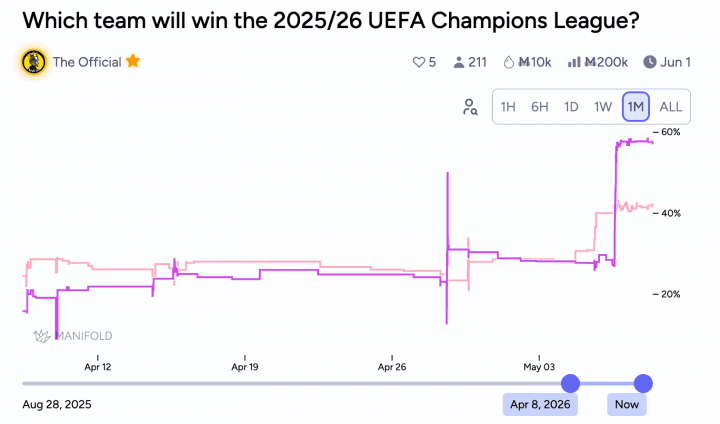
Prediction market prices come straight out of what everyone on the platform is doing with their buys and sells. They shift around depending on what the crowd is actually willing to pay, so what you get is basically a live read on where public sentiment sits at any given moment.
Sports betting is a different animal. The house hands you the numbers. The operator posts its lines and might adjust things here and there for risk management purposes, but those prices are not some pure reflection of what the betting public thinks. You just look at what they are offering and decide if the value is there or not.
Peer-to-Peer Trading vs Betting Against the House
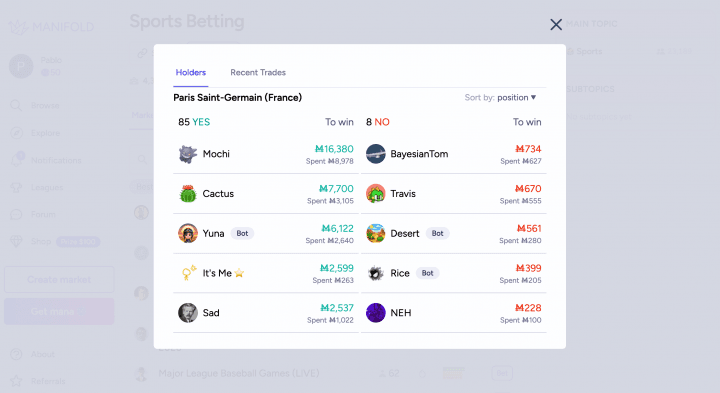
On a prediction market the platform is just the middleman. You buy a contract, somebody else on the other side is taking the opposite position. Money flows between participants and the company itself does not have skin in the game.
Sportsbooks work the complete opposite way. You are going head-to-head with the bookmaker directly. You win, the house cuts you a check. You lose, that cash goes right into their pocket. Pretty obvious conflict of interest baked in there.
Tradable Positions vs Locked Bets
With prediction markets you have total freedom to work your positions while the event is still live. Something shifts in the landscape, you can get out early. Lock in gains or trim your losses. That kind of control matters a lot.
Sportsbooks mostly lock you in once you place the wager. Unless they are giving you some cash-out feature, you are stuck riding it out under whatever terms you agreed to at the start.
Fees vs Vig
Prediction markets hit you with transparent transaction fees. You know exactly what the cost is before pulling the trigger on any trade.
Sportsbooks handle it way differently. They bake their margin right into the odds themselves. There is no separate line item for what you are paying them. They just tweak the prices through the vig so that regardless of outcome they are always paying out a bit less than what the actual risk would justify.
Broader Event Markets vs Sports-Focused Wagering
Your typical betting app stays pretty much locked in on sports and nothing else. Sure you can hammer a Super Bowl future or take a shot on the World Series winner, but good luck finding anything beyond athletic competitions.
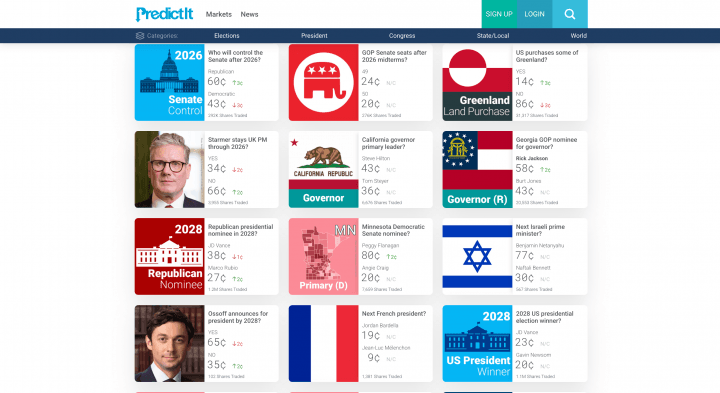
Prediction markets go way broader in terms of what is available. On top of the usual sports stuff you can trade contracts on all sorts of topics:
- Politics: Which party ends up controlling the Senate, or who takes a particular state election.
- Economics: Whether the Fed is going to hike rates, cut them, or just hold steady at their next meeting.
- Cryptocurrencies: Will Bitcoin cross some specific price threshold before the calendar year wraps up.
- Weather: Does the temperature in New York crack 90 degrees over the weekend.
- Pop culture: Which movie grabs Best Picture at the Oscars.
Prediction Markets vs Gambling
The separation between prediction markets and gambling is even more pronounced. Gambling is all about pure chance. Spin the roulette wheel, deal a hand of cards. Prediction markets revolve around digesting information and making forecasts on real-world events.
| Platform | Prediction Markets | Gambling |
|---|---|---|
| Product structure | Peer-to-peer contract exchange. | Games built entirely around mathematical randomness. |
| Role of pricing | Shows the probability as defined by the users trading on it. | Structures payouts so the house keeps a mathematical advantage. |
| Role of the operator | Neutral intermediary, full stop. | Counterparty that builds the game and takes on the risk. |
| Skill vs chance perception | Analytical chops and risk management are essential. | Luck is doing almost all the heavy lifting. |
| Ability to trade or exit | Close out or sell positions whenever you want. | Stuck there until the round plays out. |
| How users participate | Trading financial contracts, same way a trader would on a desk. | Pushing chips onto a table or feeding bills into a slot machine. |
| How the product is typically viewed | Polling tool and collective forecasting mechanism. | Entertainment that hinges on chance and nothing more. |
Market Structure vs Traditional Gambling Mechanics
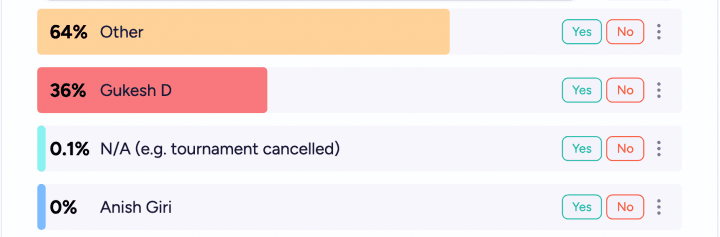
Prediction markets are structured around tradable contracts and price discovery. Users drive the price through their actions, and because of that, the number you see is always representing what the community collectively believes about an outcome's probability.
Gambling games operate on closed systems where the return to player (known as RTP) is baked in from the jump, meaning the house always has a mathematical edge working in its favor no matter what round you're playing.
Roulette is the textbook case here. You got a wheel with 36 numbers in red and black plus one green zero pocket. Bet on red and hit it, the casino pays even money. But the real probability of landing red is not sitting at 50 percent. It is actually 48.64 percent when you do the math, 18 red pockets divided by 37 total pockets.
That one extra green slot is all it takes. Tilts the whole equation toward the casino and gives them a permanent edge no matter what kind of strategy somebody tries to cook up.
Trading Logic Up Against Chance-Based Play
Prediction markets got a lot in common with how financial trading actually works. You look at headlines, sift through numbers, check what direction things are moving before you commit to anything. Managing your bankroll here is basically the same drill a stock trader goes through every morning.
Gambling is a whole other animal though. In the short term, every outcome is random. In the long term, the math is always tilted in the house's favor. You can research a slot machine all day long or study dice rolls until your eyes hurt and the result does not care one bit.
Why Folks Tag Prediction Markets as Information Markets
You hear people throw around "information markets" constantly when talking about these platforms, and honestly, it makes a ton of sense. The prices on them work kind of like a living thermometer for what a huge pool of participants is actually feeling.
When thousands of users got real dollars on the line based on what they figure is going to happen, you wind up with a surprisingly accurate read on how likely some event really is.
New information hits and people start adjusting what they hold, buying stuff, selling stuff, and that makes prices update almost instantly. That constant self-correction turns these markets into useful reference points that analysts and media outlets lean on when they need a quick gauge of where things could be going.
Why They Still Get Thrown in the Same Bucket as Gambling
Even with all those parallels to trading, the bottom line is you are still putting cash on the line for outcomes that nobody has any guarantees about. That single fact has been enough for a good number of regulators to look past the technology underneath and focus hard on what the product actually does for the person using it.
If you look at it from a pure legal standpoint, staking money on non-financial stuff like elections or award shows with hopes of a payout can hit every single criterion in the gambling definition.
How different places handle this legally, that varies a crazy amount depending on geography.
- United States: The situation here is kind of messy, honestly. The CFTC treats some platforms like derivative markets but still keeps rules in place that block contracts tied to games of chance or events that go against public interest.
- Great Britain: If the event is not financial by nature, then it gets classified as gambling, end of story. Platforms in this area get treated as betting intermediaries so they land right next to betting exchanges in regulatory terms.
- France: The government holds a really firm position on this. Prediction markets get lumped under unauthorized gambling, and the operators have to actively block access for people located inside the country.
- Germany: Betting legislation covers them here. Markets around professional sports are allowed under particular conditions, but anything political or social gets excluded because there are concerns about people gaming the system.
Why Prediction Markets Look a Whole Lot More Like Trading
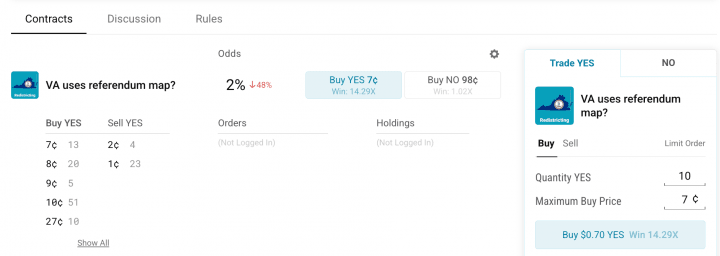
You pile all of this evidence together, and it gets pretty clear why prediction markets resemble financial trading more than they resemble anything else. Nobody is just slapping down a bet and hoping for the best. You monitor how prices shift, try to scoop things up low and sell them high, and every transaction you make is against another participant on the other side.
Prices Are Always on the Move
Prices inside a prediction market never just park somewhere and stay put. They keep shifting as new details come out. Maybe some surprise report surfaces, a fresh data point shows up, or even just a rumour gets going and prices adjust right then and there.
A sportsbook bet locks in the moment you place it, but here you have supply and demand pushing probabilities around every second of the day. Honestly, it feels a lot like watching a stock ticker scroll by.
All that volatility opens up room for you to react to market changes. If you think a specific piece of news is going to shake things up, you grab contracts while the price is still sitting low and dump them once the rest of the crowd figures it out and starts bidding things higher.
Profit Hinges on Timing, Not Just Getting It Right
With a sportsbook the final result is really the only thing anyone cares about. Prediction markets work differently because good timing by itself can produce profit, and you never need to wait around for the actual event to finish.
You buy a contract when the market has some outcome sitting at a low probability and then a development comes along that makes that outcome suddenly look way more realistic, the price of your shares pops right away. You can close out before the event is even over and walk away with your gains locked in.
Which Setup Suits Which Kind of Person
Prediction markets appeal to individuals who like doing research, working through data, and going back and forth with probabilities. These people enjoy measuring their own take against what the market price is telling them and they trade actively looking to exploit gaps.
Sports betting is a fit for people who carry around serious sports knowledge. They base their calls on team performance and rely pretty heavily on statistics to find value where the operator might have gotten things wrong.
Gambling works for anyone who just wants straightforward entertainment and quick results, no deep research or heavy number work needed.
| Model | Ideal Profile | Main Focus |
|---|---|---|
| Prediction Markets | Researchers and data-driven analysts | Weighing probabilities and managing buy and sell trades |
| Sportsbooks | Committed fans and sports specialists | Finding mathematical value or soft spots in the house lines |
| Gambling | Casual players | Fast, luck-dependent outcomes |
Final Verdict
Prediction markets, betting, and gambling all share one thing and that is you are risking money on something that has not played out yet. But under the hood they function in really different ways.
The real separator comes down to how prices get set and how you handle your money. Betting or casino gambling pits you against fixed odds or a house edge that never disappears. Prediction markets let the users themselves determine pricing and you have complete flexibility to close your position whenever you feel like it, no obligation to stick around until the event actually concludes.